The bank fees worth avoiding, and the settings that stop them
What an overdraft actually costs as a percentage, and the two settings that prevent most fees.
On this page
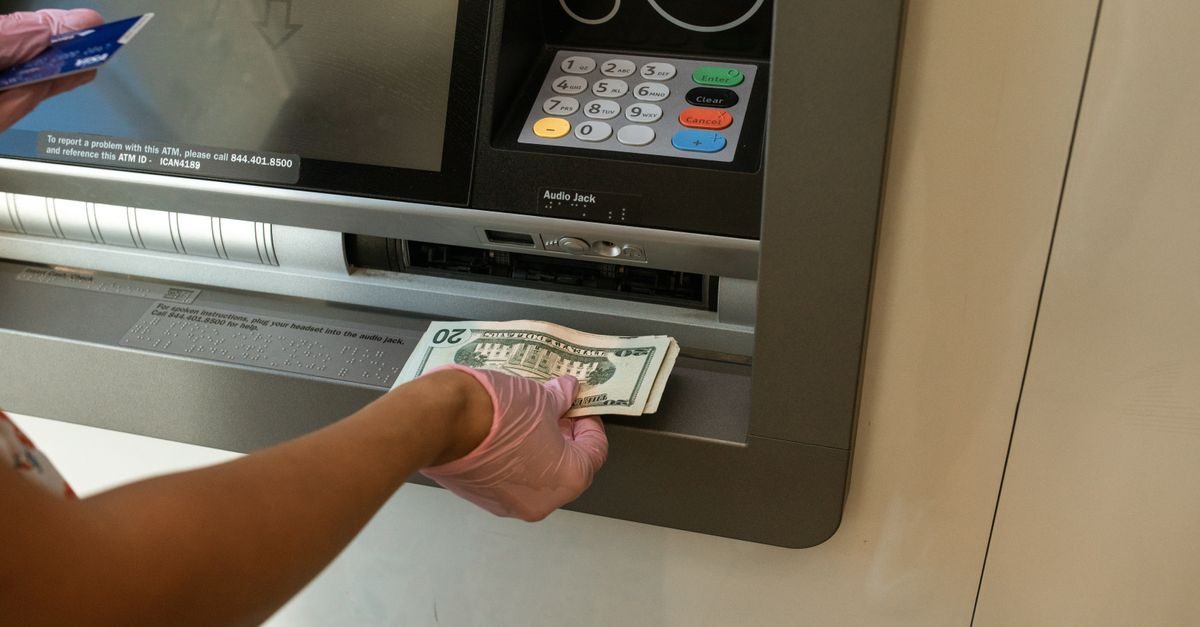
Bank fees are avoidable in a way most costs are not. They are charged for conditions, not for services you chose, and almost every one of them has a setting or an account type that switches it off.
The fees worth attention
| Fee | Charged when | How to stop it |
|---|---|---|
| Overdraft | A transaction takes the balance below zero and the bank pays it anyway | Decline overdraft coverage on debit purchases, or use an account that does not charge it |
| Non-sufficient funds | A payment is returned unpaid | Balance alerts, and a small buffer left in the account |
| Monthly maintenance | Balance or direct-deposit conditions are not met | Meet the condition, or switch to an account with no fee at all |
| Out-of-network ATM | Using another bank machine, often charged twice | In-network machines, or an account that refunds the charges |
| Foreign transaction | Spending in another currency | A card that does not charge it |
What an overdraft fee actually costs
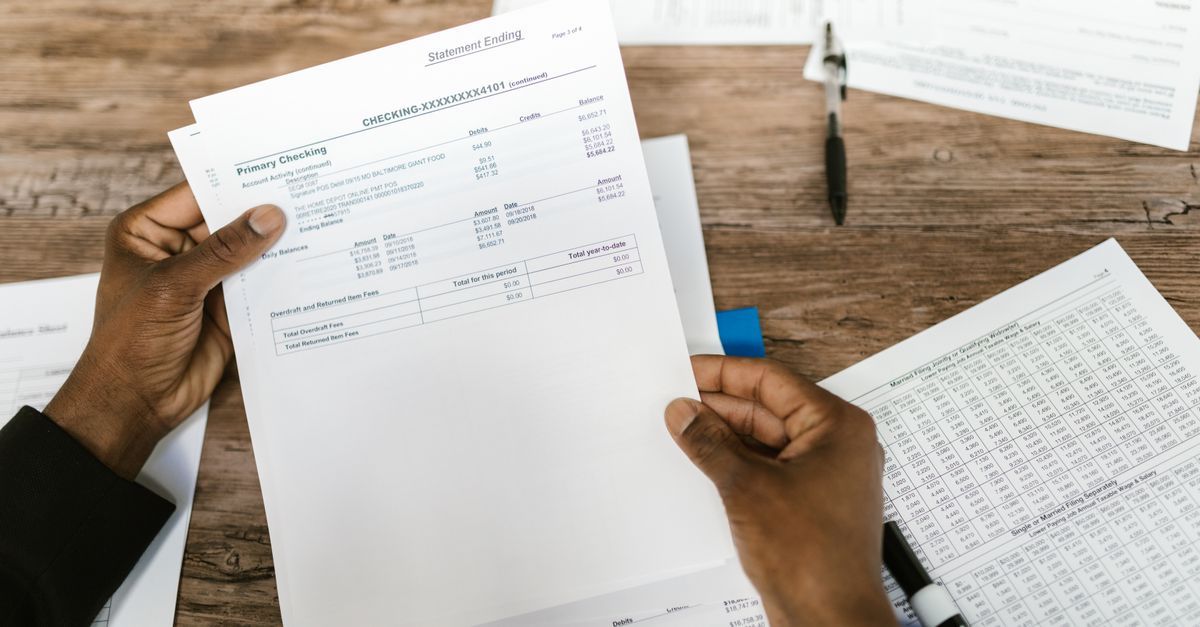
A flat fee on a small purchase is enormous as a percentage. A $35 overdraft on a $12 purchase is a charge of roughly 292% of the transaction.
For scale, $1,260 of avoided fees is roughly what $28,000 would earn in a 4.40% savings account over a year. Fee avoidance is often a larger and more certain win than chasing yield. See what the rate gap is actually worth.
The setting most people never change
Overdraft coverage on everyday debit card purchases is generally something you opt into. Declining it means a card transaction that would overdraw is simply declined at the till, at no cost, instead of going through and triggering a fee.
Two settings do most of the work: decline debit overdraft coverage, and turn on a low-balance alert. Both take a couple of minutes in the app.
Ask for a refund
Banks reverse fees more often than people expect, particularly for a first occurrence on an otherwise healthy account. Call, be straightforward, ask once. It is a short conversation with a decent success rate and no downside.
Why the order of transactions matters
When several transactions hit on the same day, the order a bank processes them in can change how many overdraft fees are charged. Processing the largest first can drain the balance sooner, causing several smaller transactions to overdraw where a different order would have caused one or none.
Practices vary by institution and have been the subject of considerable regulatory attention. The defensive measure is the same regardless: keep a small buffer in the account, so ordering never becomes the deciding factor.
The full set of switches to check
| Setting | What it does | Worth it? |
|---|---|---|
| Debit overdraft coverage | Off means a card transaction that would overdraw is declined free, instead of paid with a fee | Usually yes, turn it off |
| Low balance alert | Notifies you below a threshold you set | Yes, set it above zero |
| Overdraft transfer link | Pulls from savings to cover a shortfall, often for a small fee or none | Usually yes, cheaper than an overdraft fee |
| Paper statement fee | Charged for posted statements | Switch to electronic unless you need paper |
| Direct deposit requirement | Often waives a monthly maintenance fee | Yes, if you can meet it |
How to get a fee refunded
- Call rather than message. Front-line staff usually have discretion, and a short conversation resolves faster than a ticket.
- Be brief and factual. Name the fee, the date, and ask for it to be reversed as a courtesy.
- Mention your history if it is good. A long-standing account with no prior fees is the strongest argument available.
- Ask what would prevent it recurring. This often surfaces a setting you did not know existed, and it makes the request sound reasonable rather than opportunistic.
- Accept a no gracefully. A polite request has a good success rate the first time and diminishing returns after that.
Repeated fees are a signal to change the account rather than to keep asking. Many institutions charge no monthly fee and no overdraft fee at all.
When switching banks is the answer
If you are paying a monthly maintenance fee you cannot waive, or overdraft fees more than occasionally, the account is the problem. Switching is straightforward if done in order:
- Open the new account before closing anything.
- Move direct deposit and confirm the first one arrives.
- Move automatic payments one at a time, checking each.
- Leave the old account open with a small balance for a couple of statement cycles to catch anything forgotten.
- Close it in writing and confirm the closure.
The overlap period is what prevents a missed automatic payment, which would cost far more than the fees you are escaping.
Frequently asked questions
Can I be charged more than one overdraft fee a day?
At many banks, yes, one per transaction, which is how a single bad day becomes an expensive one. Policies vary and some banks cap it.
Does an overdraft hurt my credit score?
Not directly. Deposit accounts are not usually reported to the credit bureaus. An unpaid negative balance sent to collections is a different matter.
Is a no-fee account worse?
Not inherently. Many online banks and credit unions offer no monthly fee and no overdraft fee, and carry the same federal deposit insurance.
What is the difference between overdraft and NSF?
An overdraft means the bank paid the transaction and charged you. NSF means it refused the payment and charged you. Both cost money; only one gets the bill paid.
Are overdraft fees legal?
Yes, subject to disclosure rules and the requirement that customers opt in for debit card overdraft coverage. The regulatory landscape has been changing, so current terms are worth reading.
What is the difference between available and posted balance?
Available balance reflects pending transactions and holds; posted reflects settled ones. Overdrafts often happen because someone spends against a posted balance that pending items have already claimed.
Can a bank close my account for too many overdrafts?
Yes. Repeated negative balances can lead to closure and a record with account-screening services, which can make opening a new account harder.
Do credit unions charge fewer fees?
Often, though not always. As member-owned institutions they may set lower fees, but terms vary and should be compared directly.

Written by
Teja PagidimarriTeja Pagidimarri built 43dots to answer money questions with numbers you can check. He is a software developer, not a licensed financial advisor, so every guide here is built the way an engineer would: figures pulled from the primary source, math shown in the open, and the calculators built from the actual published formulas.
Every figure on this page was checked against the primary source linked beside it. Drafting is AI-assisted; the research, the numbers, and the final edit are mine. See our editorial policy and corrections. This is general information, not personalized financial advice.
Comments
No comments yet. Start the conversation.
Money, minus the jargon.
Plain-English guides to US taxes, credit, cards, and loans. Every figure traced to its primary source, with the math shown so you can check it.
Read more guides